Naughty Friends
How TV & Movies Taught Us to Break the Rules (Before We Even Realized It)
Let’s be honest.
Most people didn’t learn about non-monogamy from a book.
They didn’t hear about it in school.
They definitely didn’t hear about it from their parents.
They saw it on TV.
Not all at once. Not in some big, obvious moment.
But slowly… casually… wrapped in humor, drama, and “just one more episode.”
Before we were ready for it in real life, we were already watching it.
The First Time It Made You Look Twice

For a lot of people, that moment was Wild Things.
Two women kissing on screen.
At the time? Scandalous.
People talked about it like it crossed a line.
Now? That same scene barely raises an eyebrow.
That’s how normalization works.
What shocks you today becomes background noise tomorrow.
First, They Had to Break One Rule

Before non-monogamy could ever feel “okay,” TV had to break a bigger rule first:
Not everyone is straight.
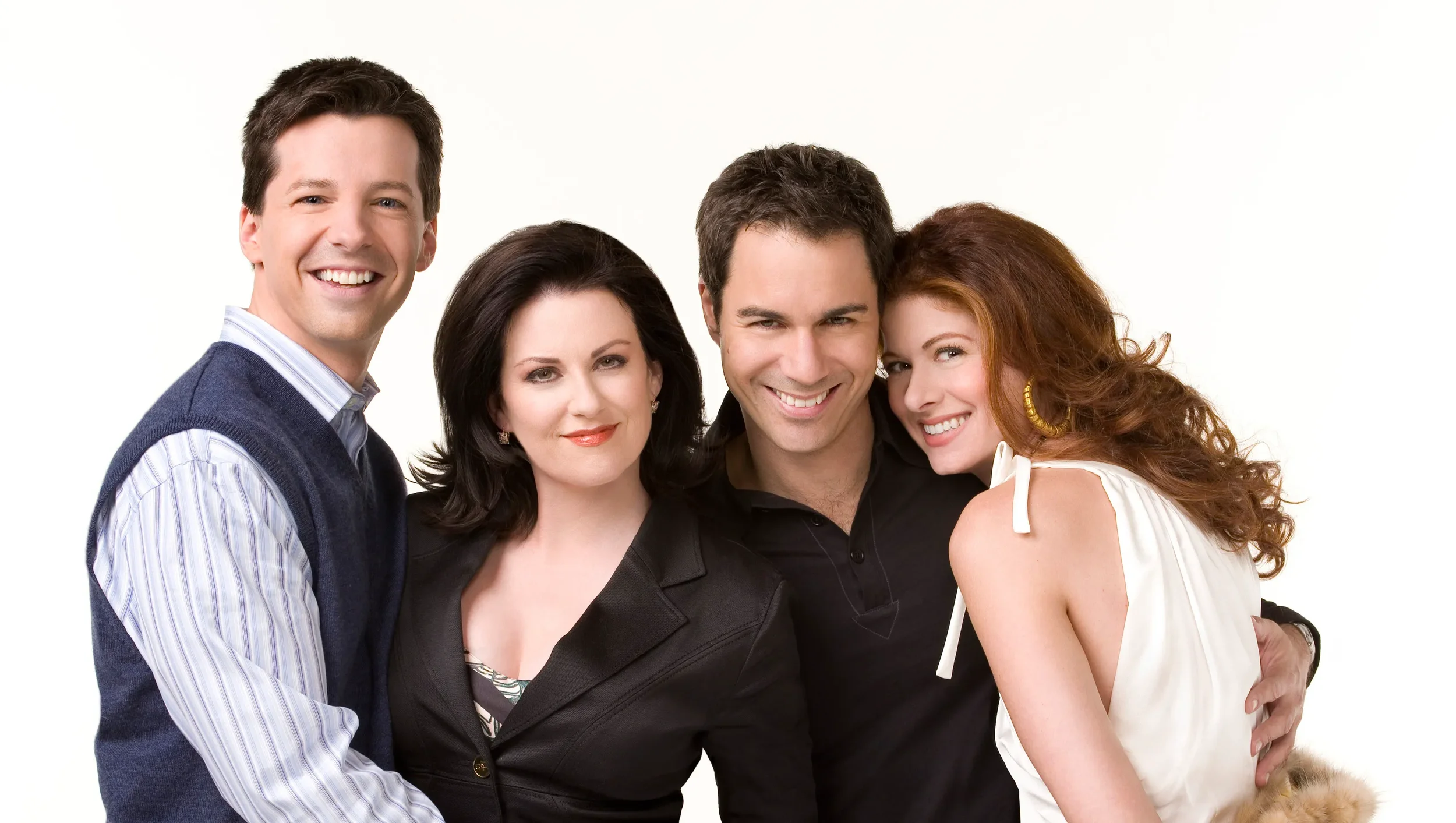
Shows like Ellen and Will & Grace didn’t just entertain people—they reprogrammed comfort zones.
Then came moments like:
Dawson's Creek → one of the first real male-male kisses on network TV
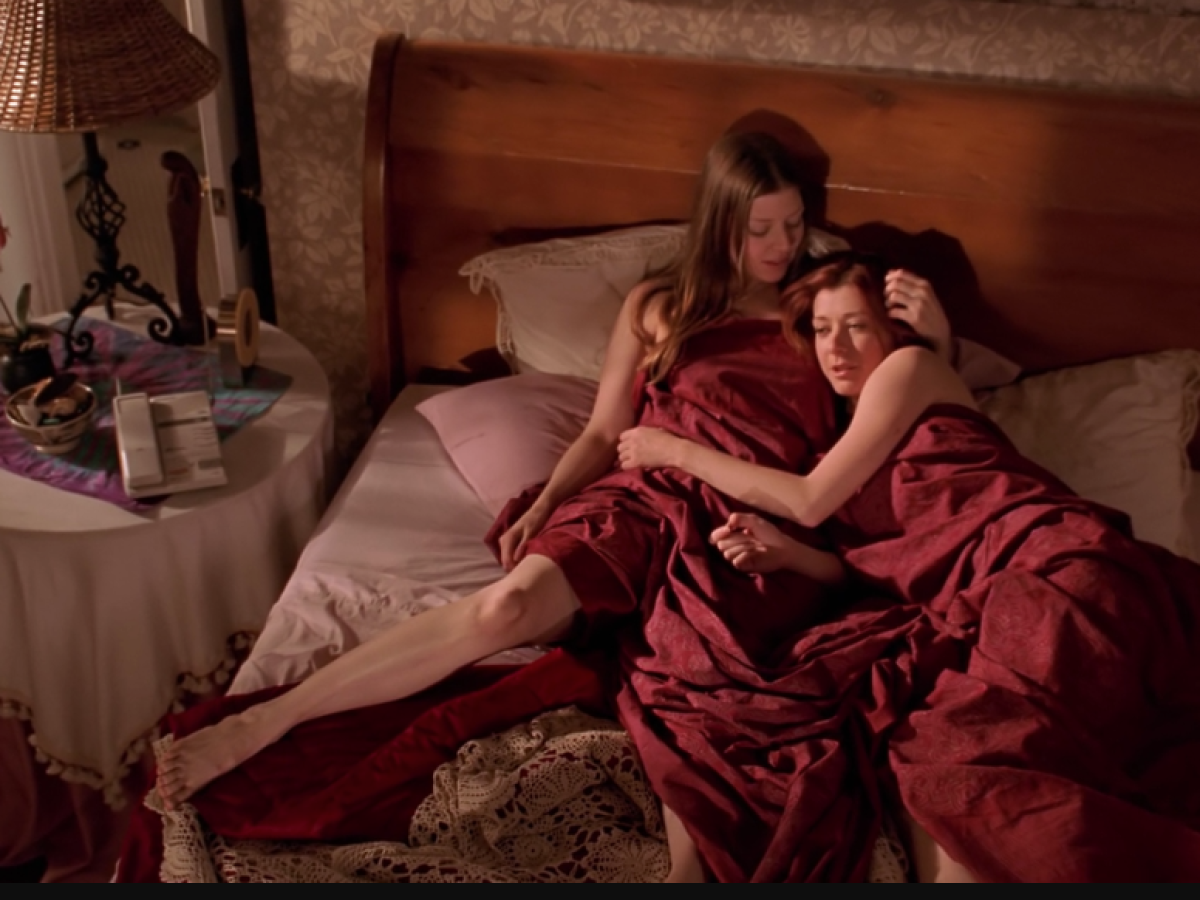
Buffy the Vampire Slayer → a real, emotional lesbian relationship that lasted
At first, people said:
“That’s different.”
Then:
“That’s fine.”
Then:
“That’s normal.”
And once that wall came down… everything else got a lot easier.
Enter: Naughty Friends
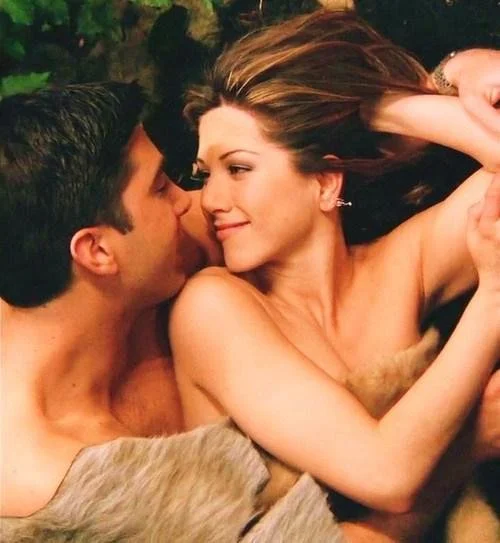
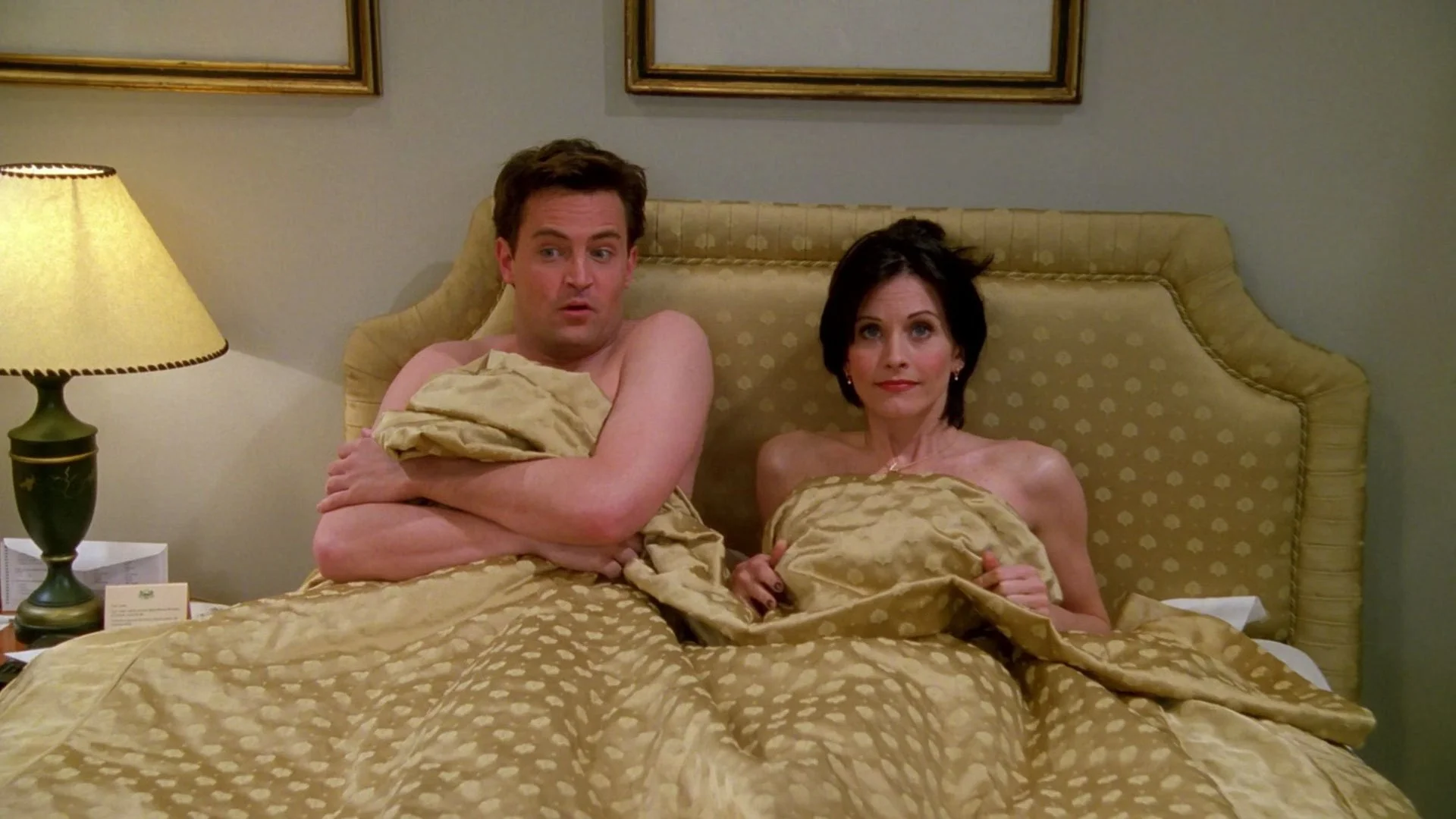
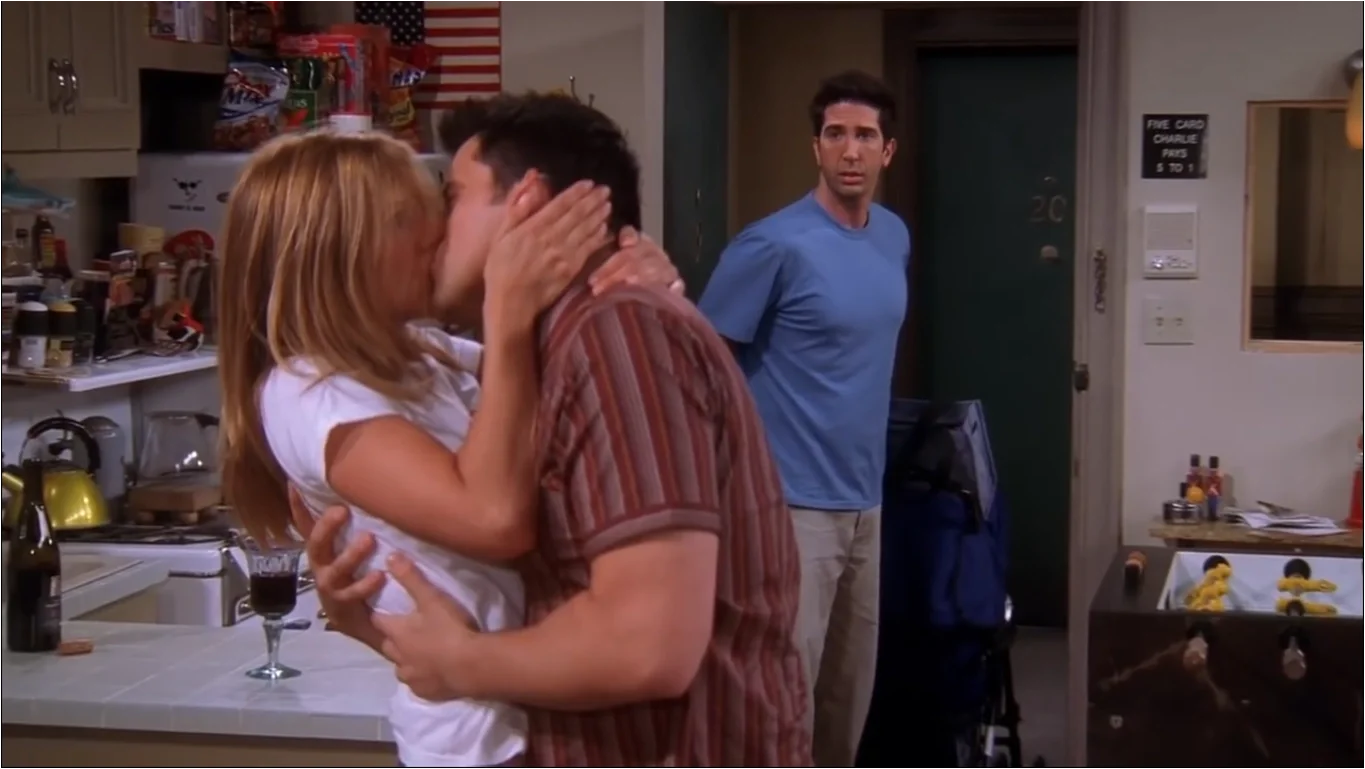
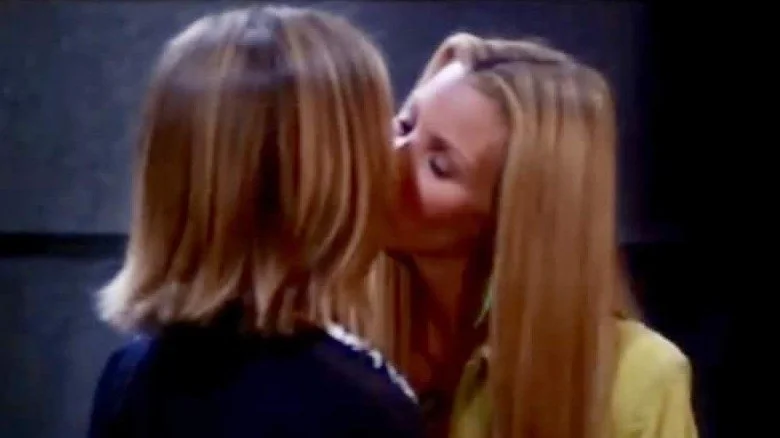
Then there’s Friends.
This is where it gets interesting.
Because Friends never said it was about non-monogamy.
But look closer:
They dated each other
Slept with each other
Broke up, circled back, and did it again
Stayed friends through all of it
No one got permanently exiled.
No one was “ruined.”
No one said, “You broke the rules, you’re out.”
Instead, it was funny. Light. Normal.
Sex between friends wasn’t dangerous—it was expected.
Overlapping relationships weren’t scandals—they were storylines.
Friends didn’t teach polyamory.
It did something more powerful:
It made messy intimacy feel safe.
Then Things Started Getting… Less Subtle
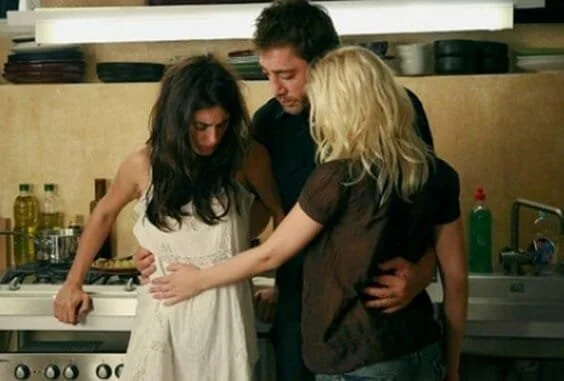
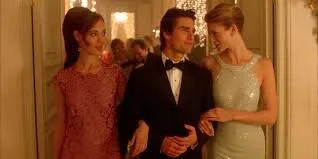
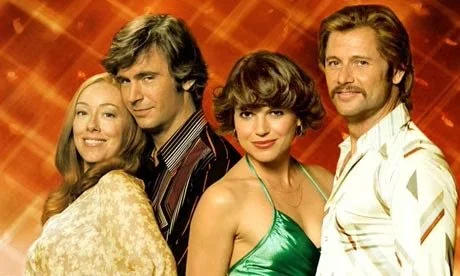
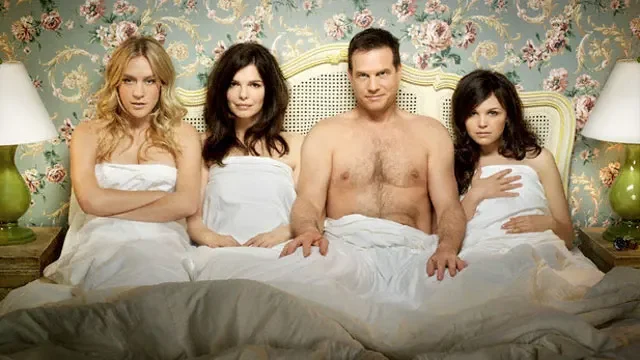
Once audiences were comfortable, TV and movies stopped hinting—and started showing.
Eyes Wide Shut → secret sexual worlds hiding in plain sight
Vicky Cristina Barcelona → fluid attraction, multiple partners, no apologies
Big Love → multiple partners under one roof
And then came the one that went all in:
Swingtown
This wasn’t flirting with the idea.
This was full-on, consensual, negotiated non-monogamy.
Different couples. Different boundaries. Different reactions.
And it was good.
Too good, maybe.
Because it didn’t last.
Not because it failed—but because audiences weren’t fully ready to admit they were already halfway there.
The Quiet Shift Nobody Talks About
Here’s the real twist:
Non-monogamy didn’t go mainstream because of one bold show.
It slipped in through side plots.
Sex and the City → multiple partners, zero shame
Shameless → chaotic, fluid, anything-but-traditional relationships
House of Cards → power couple with unspoken openness
Easy → open marriages treated like adult conversations
Nobody stood up and said:
“This is non-monogamy.”
They just… lived it.
And that’s what made it stick.
Now It’s Not Even Hidden
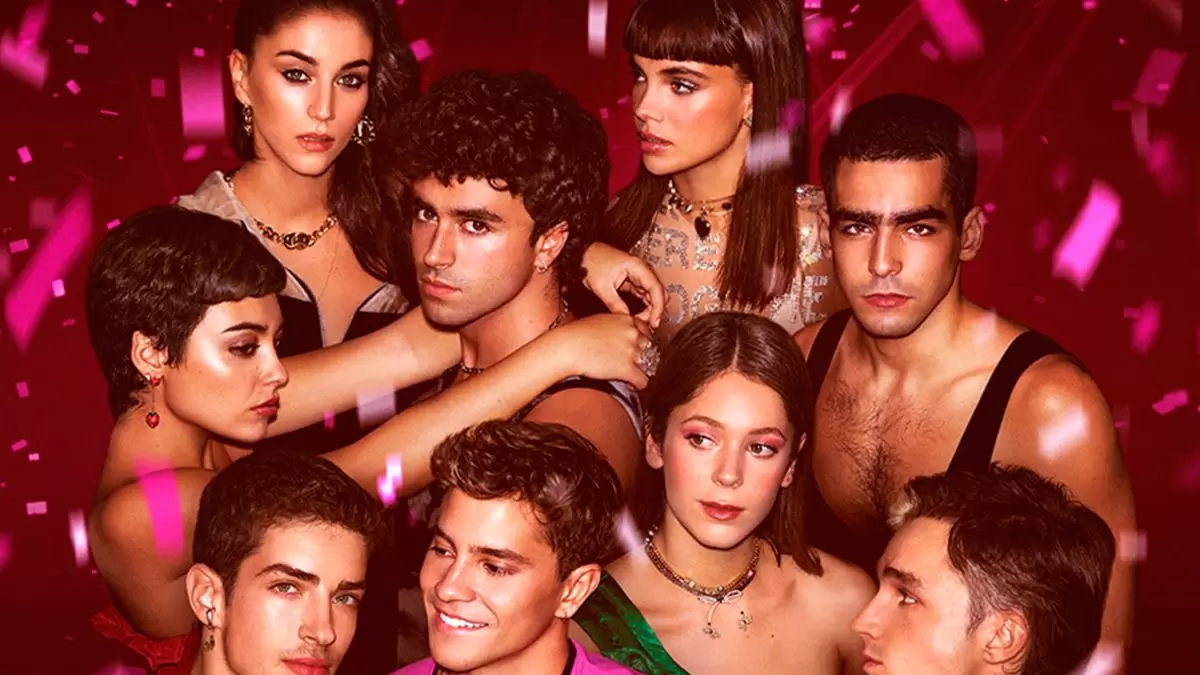
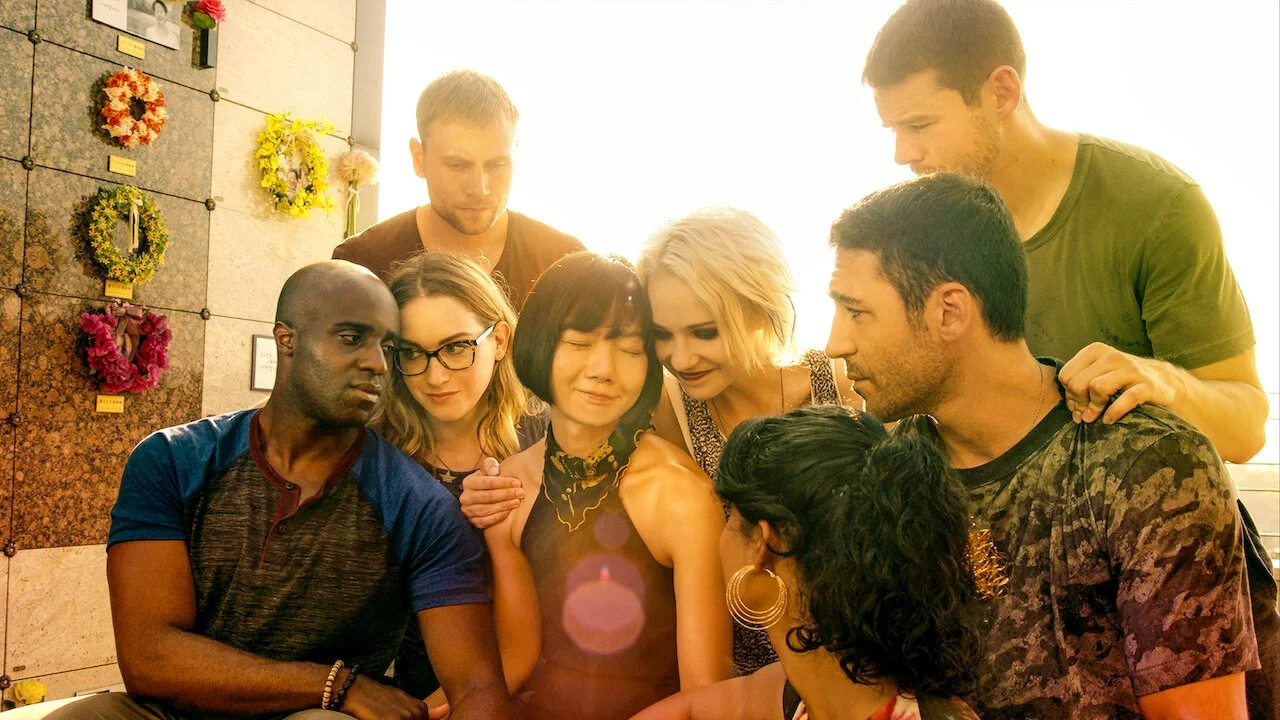

By the time we get to:
You Me Her
Sense8
Elite
… it’s not coded anymore.
It’s not a secret.
It’s not a twist.
It’s just another way people connect.
So… Is Non-Monogamy Mainstream Now?
Let’s not pretend everyone’s living in a polycule.
But also… let’s not pretend it’s fringe anymore.
What’s changed:
People know what it is
People know someone doing it
People have at least thought about it
And that shift didn’t come from nowhere.
It came from years of watching:
👉 relationships overlap
👉 boundaries blur
👉 attraction exists outside “the one.”
What Actually Drove This?
1. TV Made It Familiar
The more you see something, the less threatening it feels.
2. Apps Made It Accessible
Platforms like Feeld didn’t invent non-monogamy—but they made it easier to explore.
3. Culture Stopped Pretending
Younger generations aren’t asking, “What’s allowed?”
They’re asking, “What works for us?”
The Real Takeaway
Nobody sat you down and said:
“Hey, maybe relationships don’t have to follow one script.”
But TV did.
Quietly. Repeatedly. Over decades.
It started with shock.
Then humor.
Then acceptance.
Then curiosity.
And now?
It’s just part of the conversation.
Final Thought: Why “Naughty Friends” Fits Perfectly




Want to buy a Naughty Friends T-shirt? Check them out here
Because at the end of the day…
It wasn’t the bold, controversial shows that changed everything.
It was the ones that made it feel easy.
Familiar.
Fun.
A little messy… but totally okay.
And that’s exactly how cultural change works.